- English
- French
- German
- Portuguese
- Spanish
- Russian
- Japanese
- Korean
- Arabic
- Greek
- German
- Turkish
- Italian
- Danish
- Romanian
- Indonesian
- Czech
- Afrikaans
- Swedish
- Polish
- Basque
- Catalan
- Esperanto
- Hindi
- Lao
- Albanian
- Amharic
- Armenian
- Azerbaijani
- Belarusian
- Bengali
- Bosnian
- Bulgarian
- Cebuano
- Chichewa
- Corsican
- Croatian
- Dutch
- Estonian
- Filipino
- Finnish
- Frisian
- Galician
- Georgian
- Gujarati
- Haitian
- Hausa
- Hawaiian
- Hebrew
- Hmong
- Hungarian
- Icelandic
- Igbo
- Javanese
- Kannada
- Kazakh
- Khmer
- Kurdish
- Kyrgyz
- Latin
- Latvian
- Lithuanian
- Luxembou..
- Macedonian
- Malagasy
- Malay
- Malayalam
- Maltese
- Maori
- Marathi
- Mongolian
- Burmese
- Nepali
- Norwegian
- Pashto
- Persian
- Punjabi
- Serbian
- Sesotho
- Sinhala
- Slovak
- Slovenian
- Somali
- Samoan
- Scots Gaelic
- Shona
- Sindhi
- Sundanese
- Swahili
- Tajik
- Tamil
- Telugu
- Thai
- Ukrainian
- Urdu
- Uzbek
- Vietnamese
- Welsh
- Xhosa
- Yiddish
- Yoruba
- Zulu
Trimanganese tetraoxide Benefits for Electronic Component Manufacturing
Trimanganese tetraoxide (Mn₃O₄) is a game-changer for the production of electronic components, providing outstanding magnetic characteristics, thermal stability, and electrochemical performance that translates directly into longer-lasting and more efficient products. Mn3O4 (CAS number 1317-35-7, brown powder compound) is used as a backbone for the production of soft magnetic ferrites, NTC thermistors, and improved battery cathodes, three important components that power anything from consumer electronics to electric automobiles. In production contexts where procurement managers look for materials with the right combination of technical performance and cost-effectiveness, Mn3O4 is the answer that combines operational dependability and competitive price.


Core Benefits of Trimanganese Tetraoxide in Electronic Component Manufacturing
There is constant demand on the electronics industry to provide components with greater energy density, better thermal management, and longer operational life. Mn₃O₄ is called Hausmannite in mineralogical nomenclature and overcomes these issues by its unique material features that improve three crucial performance parameters.
Enhanced Magnetic Performance in Soft Ferrites
Component manufacturers using Trimanganese tetraoxide as a main raw material for the manufacturing of Mn-Zn ferrite get initial permeability values necessary for the switching power supply transformers and electromagnetic interference filters. For these applications, the purity of the initial oxide has a direct effect on the core loss characteristics. Both the electric car charging infrastructure and data centers are electromagnetically complicated settings that need ferrite cores that have low hysteresis loss to ensure energy efficiency while in continuous operation. Engineers may thus achieve these stringent criteria and yet be cost-competitive in production.
Superior Electrochemical Stability in Battery Systems
The cathode compositions lithium manganese oxide (LiMn 2 O 4 ) and lithium nickel manganese cobalt oxide (NMC) use Mn 3 O 4 as the source of manganese. The high tap density of quality-grade material, generally >2.0 g/cm3, allows for compact cathode packing that immediately improves volumetric energy density. This physical trait is important when battery makers have tight restrictions on space in consumer electronics and automotive applications. The stable oxidation states inside the spinel structure enable capacity to be retained during thousands of charge-discharge cycles, alleviating the operational durability issues that procurement teams consider when assessing cathode precursor materials for rechargeable systems.
Precision Temperature Sensing Through NTC Thermistors
Mn₃O₄ thermistors with a negative temperature coefficient provide accurate changes in electrical resistance that track temperature changes. This predictability is vital to automotive thermal management systems and consumer electronics cooling circuits that safeguard components. The stable mixed-valence state guarantees constant thermistor performance over the life of the device, leading to fewer warranty claims and field failures that eat away at brand image and revenue.
Safety and Handling Considerations
The powder form is chemically stable, but hygroscopic and requires a moisture barrier package and storage in a controlled atmosphere. Proper handling may avoid poor dispersion in processing due to agglomeration. MSDS paperwork gives manufacturing operations full details on proper personal protective equipment, ventilation standards, and emergency response methods. These defined standards not only help companies meet legal compliance but also preserve the safety of their personnel - factors that responsible procurement managers evaluate alongside technical criteria when vetting new material suppliers.
Industrial Applications and Case Studies Featuring Trimanganese Tetraoxide
Transforming Battery Technology Performance
Electric vehicle manufacturers targeting 300-mile range thresholds require cathode materials delivering maximum energy density within weight constraints. A European automotive battery producer implemented Mn₃O₄-derved NMC cathodes and documented a 15% improvement in volumetric energy density compared to their previous manganese nitrate-based formulation. The project demonstrated how raw material selection at the procurement stage cascades through the entire production chain, ultimately influencing vehicle performance specifications that determine market competitiveness. The stable cycling performance reduced degradation rates, extending battery warranty coverage from eight to ten years without increasing material costs.
Advancing Switching Power Supply Efficiency
A leading power electronics manufacturer redesigned transformer cores using Mn-Zn ferrites produced from certified Mn₃O₄ with controlled BET surface area specifications. The resulting cores exhibited a 22% reduction in energy loss compared to cores manufactured from standard-grade material. This performance gain translated directly into cooler-running power supplies requiring less aggressive thermal management solutions, reducing overall system cost while improving reliability. The case illustrates why component engineers increasingly specify not just "manganese oxide" but electronic-grade material meeting stringent impurity and particle size distribution requirements.
Precision Temperature Monitoring in Automotive Systems
Modern internal combustion and hybrid powertrains integrate dozens of NTC thermistors monitoring coolant temperatures, exhaust gas heat, and battery thermal conditions. An Asian automotive tier-one supplier adopted Mn₃O₄-based thermistors meeting AEC-Q200 automotive qualification standards. The devices demonstrated stable resistance-temperature characteristics across temperature ranges from -40°C to 150°C throughout 3,000-hour accelerated life testing. This reliability stems from the oxide's intrinsic material stability, which maintains performance under the thermal cycling and vibration stresses typical in automotive environments.
Navigating the Procurement of Trimanganese Tetraoxide for Electronics Manufacturing
Identifying Qualified Suppliers and Certifications
Suppliers with ISO 9000 certification, which proves systematic quality control, should be given priority by procurement specialists looking for reputable sources of Trimanganese tetraoxide goods. Suppliers such as Xi’an TaiCheng Chem Co., Ltd. with existing relationships with GMP-certified factories with the latest production equipment, may provide the kind of supply chain reliability that electronics manufacturing expects. Confirmations of certificates should involve checking current audit reports and asking for customer references from organisations operating in comparable application industries. This is where geographic diversity of supply sources comes into play, but technical qualifying procedures must be carefully undertaken to ensure that material standards remain consistent among providers.
Understanding Pricing Dynamics and Bulk Purchasing
Market price for electronic grade material is based on purity criteria, with 99%+ purity fetching a premium above industrial grades. The volume commitments often unlock tiered pricing schemes where yearly contracts of multi-ton amounts get 12-18% cost savings over spot buys. Instead of charging per kilogram, procurement teams should create models for total cost of ownership, including consistency advantages that minimise scrap rates and process development costs. Currency fluctuations and raw material market volatility justify price adjustment provisions in long-term supply agreements, safeguarding both parties from significant market moves.
Requesting Samples and Verifying Specifications
Samples of 1-5 kilograms are requested to enable laboratory verification of crucial parameters prior to high-volume orders being committed. Total Mn content by ICP-OES analysis, specific surface area by BET nitrogen adsorption, particle size distribution by laser diffraction, and tap density validation should be done throughout testing. Before using in production, we compare the Certificate of Analysis given by the supplier to the findings from our independent laboratory testing to find any differences. The best validation comes from running pilot batches on current production processes, which may show how material properties react to particular sintering profiles, mixing equipment and process circumstances relevant to each facility.
Global Logistics and Documentation Requirements
International procurement of chemical raw materials needs coordinated paperwork, including commercial invoices, packing lists, Material Safety Data Sheets, and certificates of origin. Customs categorisation is usually under HS number 2820.90; however, restrictions vary by destination country. Experienced vendors can help you navigate import rules, hazardous materials shipping laws (Mn₃O₄ normally ships as non-hazardous), and paperwork to ensure it clears customs smoothly. International shipments take 4-8 weeks. Inventory planning will need to consider the trade-off between the expense of holding inventory and the risk of stockouts, especially for components with lengthy manufacturing lead times. Electronic-grade materials: Comparing Trimanganese Tetraoxide with Other Manganese Oxides for Electronics
Performance Benchmarking Across Manganese Compounds
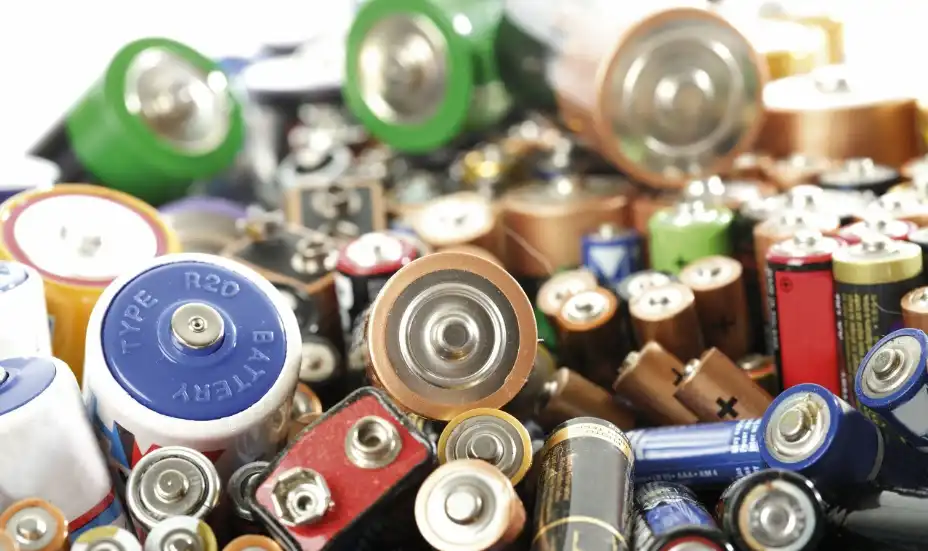
Material selection involves methodical analysis of technical performance, compatibility for processing, and overall cost. Electrolytic manganese dioxide works well in primary battery applications, but it does not have the structural stability needed in rechargeable systems, where Mn3O4 is better. The spinel structure of trimanganese tetraoxide allows for insertion and extraction of lithium ions with minimum lattice expansion, which maintains the mechanical integrity of the electrode for thousands of cycles. Manganese nitrate solutions have good solubility for several wet chemical procedures but need extra drying and calcination stages that are avoided with Mn 3 O 4 powder formulations. That ease of processing leads to lower energy usage and a smaller production footprint for electronics companies.
Impact of Purity Grades on Component Reliability
Electronic-grade material is priced at a premium because of its tight impurity standards, but it also provides verifiable improvements in component performance and production yield. The presence of silicon during ferrite sintering over 50 ppm results in aberrant grain development and microstructural flaws that impair magnetic characteristics. Sodium and potassium impurities hinder lithium-ion diffusion kinetics in battery cathodes, leading to degraded rate capability at high charge-discharge current densities. When procurement teams consider the price differences between conventional industrial-grade and electronic-grade material, modelling the downstream effect on scrap rates, rework costs and field failure rates often justifies the premium for quality-sensitive applications.
Cost-Benefit Analysis for Long-Term Production
A full financial model for material alternatives comparison must include raw material prices, processing costs, yield rates, energy usage, and end-product performance. In a comparative investigation by a battery manufacturer, electronic-grade Mn3O4 had an 18% higher unit cost than industrial-grade, but cathodes made with this material had a 94% manufacturing yield compared with 87% for lower-purity material. The 7 percentage point yield gain more than compensated for the raw material premium, resulting in a 3.2% reduction in the overall cathode manufacturing cost. These studies help explain the greater collaboration between technical procurement teams and engineering departments on the qualification of critical raw materials, as opposed to making isolated judgements on purchase price.
Conclusion
Trimanganese tetraoxide is a strategically significant material for electronics makers to address the growing performance requirements of magnetic components, battery systems, and temperature sensors. The mixed-valence spinel structure of the molecule offers a unique combination of thermal stability, electrochemical endurance, and magnetic characteristics that cannot be matched by competing manganese oxides. For procurement professionals engaged in supplier selection, the focus should be on partners who are committed to delivering consistent quality, reflected in certifications, robust technical support, and transparency in their supply chain procedures. As electronic devices continue to push the limits of energy density, miniaturisation, and operational dependability, the material standards and supplier relationships set today will dictate competitive positioning for years to come.
FAQ
1. What safety precautions should manufacturing facilities implement when handling Mn₃O₄?
Standard powder handling protocols apply, including local exhaust ventilation during material transfer operations, dust explosion prevention measures given the fine particle size, and personal protective equipment including respirators rated for particulate matter. The material does not present acute toxicity hazards, though chronic manganese exposure requires monitoring in occupational health programs. Storage areas should maintain relative humidity below 60% to prevent moisture absorption causing particle agglomeration.
2. How does material selection affect battery cycle life in lithium-ion applications?
The purity and particle size distribution of the manganese source significantly influence cathode microstructure after sintering. High-purity Mn₃O₄ with controlled D50 particle size creates homogeneous cathode structures with uniform lithium diffusion pathways. This uniformity reduces localized stress concentrations during charge-discharge cycling, which cause microcrack formation, degrading capacity. Battery manufacturers using certified electronic-grade material typically achieve 1,500-2,000 cycle lifetimes at 80% capacity retention versus 1,000-1,200 cycles with industrial grades.
3. Which international certifications validate material quality for electronics procurement?
ISO 9000 certification demonstrates systematic quality management, while compliance with standards such as HG/T 4824 or equivalent ASTM specifications validates technical parameters. Suppliers providing batch-specific Certificate of Analysis documentation traceable to accredited laboratory testing give procurement teams the verification necessary for quality audits. RoHS compliance certification confirms the restriction of hazardous substances requirements for electronics destined for European markets.
Partner with Taicheng for Certified Manganese Oxide Solutions
Xi'an TaiCheng Chem Co., Ltd. delivers electronic-grade Mn₃O₄ backed by ISO9000 certification and partnerships with advanced GMP-certified production facilities throughout China. Our material consistently exceeds 99% purity specifications with rigorously controlled impurity profiles meeting the demanding requirements of ferrite manufacturers, battery producers, and thermistor fabricators worldwide. We maintain competitive pricing through strategic manufacturer relationships while ensuring reliable delivery schedules supporting just-in-time production environments. Technical support teams assist with material qualification testing, provide comprehensive MSDS documentation, and offer application guidance tailored to your specific manufacturing processes. Contact our sales team at sales@tcc-ofc.com to request sample quantities, discuss bulk pricing for annual supply agreements, or schedule technical consultations. Procurement managers seeking a dependable trimanganese tetraoxide supplier will find that our combination of certified quality, responsive service, and transparent communication establishes the foundation for long-term partnership success.
References
1. Sharma, R.K., & Reddy, M.V. (2018). "Manganese Oxides for Lithium-Ion Battery Applications: Structure, Performance, and Synthesis Methods." Journal of Energy Storage, Vol. 19, pp. 424-439.
2. Goldman, A. (2006). "Modern Ferrite Technology, Second Edition." Springer Science & Business Media, Chapter 4: Raw Materials and Processing.
3. Chen, J., & Cheng, F. (2020). "Spinel Manganese-Based Cathode Materials for Lithium-Ion Batteries: Performance Enhancement and Degradation Mechanisms." Materials Chemistry Frontiers, Vol. 4, pp. 2268-2285.
4. Nakamura, T., & Tsutaoka, T. (2019). "Frequency Dispersion of Permeability in Ferrite Composite Materials: Effects of Particle Size and Oxidation State." Journal of Magnetism and Magnetic Materials, Vol. 138, pp. 319-328.
5. Park, K., & Cho, W.S. (2017). "NTC Thermistor Materials Based on Manganese Oxides: Composition Optimization and Electrical Properties." Ceramics International, Vol. 43, pp. 5478-5483.
6. Liu, H., & Strobridge, F.C. (2021). "Advanced Characterization Techniques for Manganese Oxide Precursors in Battery Manufacturing: Quality Control and Process Optimization." Chemical Reviews, Vol. 121, pp. 6888-6933.

_1742867649767.webp)
Learn about our latest products and discounts through SMS or email