- English
- French
- German
- Portuguese
- Spanish
- Russian
- Japanese
- Korean
- Arabic
- Greek
- German
- Turkish
- Italian
- Danish
- Romanian
- Indonesian
- Czech
- Afrikaans
- Swedish
- Polish
- Basque
- Catalan
- Esperanto
- Hindi
- Lao
- Albanian
- Amharic
- Armenian
- Azerbaijani
- Belarusian
- Bengali
- Bosnian
- Bulgarian
- Cebuano
- Chichewa
- Corsican
- Croatian
- Dutch
- Estonian
- Filipino
- Finnish
- Frisian
- Galician
- Georgian
- Gujarati
- Haitian
- Hausa
- Hawaiian
- Hebrew
- Hmong
- Hungarian
- Icelandic
- Igbo
- Javanese
- Kannada
- Kazakh
- Khmer
- Kurdish
- Kyrgyz
- Latin
- Latvian
- Lithuanian
- Luxembou..
- Macedonian
- Malagasy
- Malay
- Malayalam
- Maltese
- Maori
- Marathi
- Mongolian
- Burmese
- Nepali
- Norwegian
- Pashto
- Persian
- Punjabi
- Serbian
- Sesotho
- Sinhala
- Slovak
- Slovenian
- Somali
- Samoan
- Scots Gaelic
- Shona
- Sindhi
- Sundanese
- Swahili
- Tajik
- Tamil
- Telugu
- Thai
- Ukrainian
- Urdu
- Uzbek
- Vietnamese
- Welsh
- Xhosa
- Yiddish
- Yoruba
- Zulu
Microsilica Powder Applications in Oilwell Cementing and Grouting
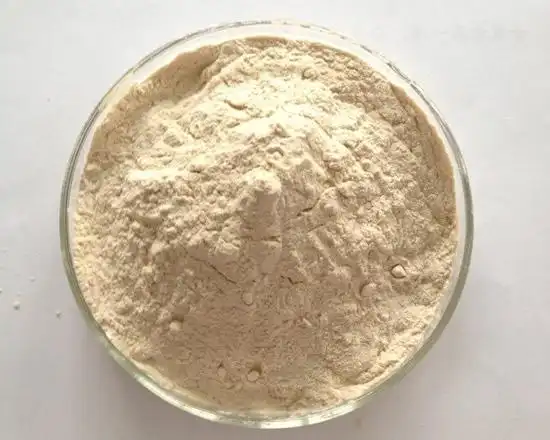
Microsilica powder, commonly known as silica fume, has transformed oilwell cementing and grouting operations by filling the performance gaps of traditional cement mixes. The pozzolanic material is an ultrafine material (CAS No.: 60676-86-0) consisting mostly of amorphous SiO2, providing excellent strength augmentation, permeability reduction, and chemical resistance, which are critical for wellbore integrity in difficult downhole settings. The grey-white spherical particles bring about pozzolanic reactivity and physical micro-filling ability that modify the performance of the cement slurry in upstream and midstream activities.

Understanding Microsilica Powder in Oilwell Cementing and Grouting
If we’re talking about cementing additives that really make a difference in oilfield operations, silica fume is leading the way in material science innovation.
Chemical and Physical Properties That Matter
The peculiar particle features of this amorphous silica additive are responsible for its excellent performance. The average particle size of this substance is around 0.15 micrometres, or about 100 times finer than the average size of the grains in ordinary cement, and its specific surface area is 15,000 to 30,000 m2/kg. This large surface area leads to a high pozzolanic activity, with calcium hydroxide created during cement hydration to produce extra calcium silicate hydrate (C-S-H) gel to densify the cement matrix.
It is quite pure, as seen by its chemical formula SiO2. Premium grades have between 85 and 95% silicon dioxide. High silica concentration offers constant reactivity and dependable performance in different downhole circumstances. Spherical morphology of particles allows homogeneous distribution in cement slurries without any clustering problems that irregular-shaped additives have.
Comparing Silica Fume with Alternative Additives
Fly ash and quartz powder are beneficial in cement mixes, but neither provides the performance profile needed for difficult oilwell applications. Fly ash particles are 10 to 100 micrometres in size, which is far bigger than silica fume and so cannot efficiently fill micropores. To be an inert filler. Pure quartz powder A and B have no pozzolanic reactivity.
Engineers and procurement managers are specifying this ultrafine addition more and more, since it tackles many failure modes at the same time. It delivers chemical reinforcement via pozzolanic reactions and physical augmentation by micro-filling, producing a double-action performance advantage that traditional alternatives can’t match. This makes it an essential tool for guaranteeing long-term well integrity in geologically complicated environments where cement sheath failure might result in expensive cleanup or environmental events.
Why Oilfield Professionals Prefer This Additive
Upstream operators are under increasing pressure to decrease non-productive time and lengthen the life of a well. Conventional cement systems have permeability difficulties that enable the migration of formation fluids and compromise zonal isolation. The ultrafineness of this pozzolanic addition provides tortuous diffusion routes that significantly lower permeability, frequently by an order of magnitude above baseline cement systems.
The chemical resilience of the material is especially useful in formations containing hydrogen sulphide, carbon dioxide or hostile brines. Silica fume forms cement skins that are resistant to acidic conditions that would quickly damage traditional systems by utilising free calcium hydroxide and increasing the density of the microstructure.
Addressing Challenges in Oilwell Cementing Using Microsilica Powder
Oilwell cementing presents unique technical challenges that distinguish it from surface concrete applications, demanding specialized material solutions.
Shrinkage and Permeability Problems
Traditional oilwell cement formulations experience volumetric shrinkage during curing, creating microscopic channels that compromise hydraulic isolation between formations. These pathways allow unwanted fluid migration, potentially leading to costly sustained casing pressure issues or even well control incidents.
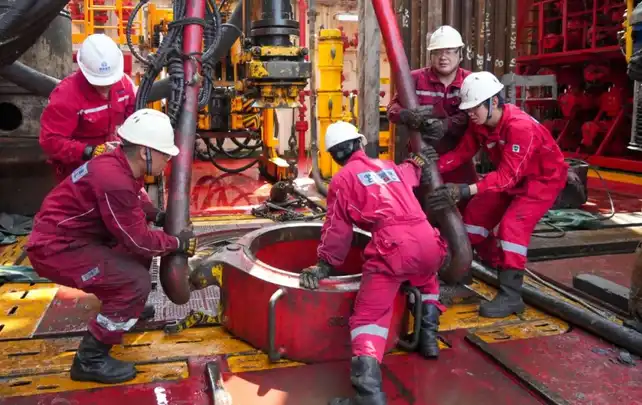
The addition of 5% to 15% microsilica powder by weight of cement dramatically mitigates shrinkage through a refined pore structure. The ultrafine particles pack efficiently between cement grains, filling capillary voids that would otherwise remain after hydration. This physical densification works synergistically with pozzolanic reactions to create an impermeable barrier.
Permeability measurements demonstrate the effectiveness of this approach. Baseline API Class G cement typically exhibits permeabilities of 0.1 to 1.0 millidarcies. Incorporating silica fume reduces permeability to less than 0.001 millidarcies, effectively creating an impermeable seal even under differential pressure conditions common in high-pressure/high-temperature wells.
Bonding Strength Under Extreme Conditions
Weak bonding at the cement-casing and cement-formation interfaces represents another critical failure mode. Temperature cycling during production operations generates thermal stresses that can debond poorly adhered cement sheaths. The refined interfacial transition zone created by this additive significantly improves bond strength.
Laboratory testing reveals that cement systems modified with this ultrafine pozzolan achieve bond strengths exceeding 350 psi, compared to 150-200 psi for unmodified systems. This enhancement proves crucial for maintaining wellbore integrity throughout the production life, particularly in wells subjected to thermal recovery methods or multiple stimulation treatments.
Global Case Studies Demonstrating Field Success
A North American operator working in the Permian Basin incorporated silica fume into their standard cementing program for horizontal wells drilled through multiple pay zones. The modified cement system eliminated the sustained casing pressure issues that had plagued offset wells, reducing remedial costs by over $2 million annually across their operated acreage.
Offshore operations in the Gulf of Mexico have similarly benefited. A major operator specified this additive for deepwater wells penetrating high-pressure formations containing corrosive fluids. Post-cement evaluation logs confirmed complete zonal isolation, and production data over three years showed no evidence of annular pressure buildup that would indicate cement degradation.
These real-world applications demonstrate how strategic material selection translates directly into operational reliability and risk reduction. Procurement managers and drilling engineers can confidently specify this proven additive knowing it has delivered measurable performance improvements across diverse geological settings and operational scenarios.
Procurement Guide: How to Source Quality Microsilica Powder for Oilwell Applications
Choosing the correct cementing additives is more than a price sheet comparison. The quality consistency, supply dependability, and technical assistance of a supplier sometimes make it either a strategic partner or an operational nuisance.
Essential Supplier Selection Criteria
This crucial ingredient needs careful thought on a few technical specs while you are sourcing. Silicon dioxide concentration must be 85% or above as determined by X-ray fluorescence analysis or wet chemistry. Interference with cement hydration is caused by unburnt carbon and moisture, which must be limited to 6% loss on ignition (LOI).
The performance is strongly affected by the particle size distribution. Provide thorough particle size analysis with a mean diameter between 0.1 and 0.2 micrometres from vendors. The amount of coarse particles, determined as residue on a 45-micrometer screen, should not exceed 10% to allow full dispersion in the cement slurries.
Logistical dependability is the difference between good suppliers and great partners. Any delay in material means expensive rig downtime in bulk cement operations, which are done on tight timelines. Review the supplier’s inventory management, transportation network, and track record for on-time delivery. It’s also beneficial to be close to large oilfield service hubs in case of emergency procurement.
Understanding Market Pricing and Procurement Best Practices
The cost of bulk industrial-grade silica fume generally varies from $300 to $600 per metric tonne, depending on the quality standards, location of delivery, and volume of contract. Denser forms might attract a premium price because of lower transportation costs per unit of active material. Usually, the conclusion of framework agreements for yearly quantities helps to get advantageous prices and assured availability in times of short supply.
Smart procurement goes beyond the original purchase price. Think about the overall cost of ownership, including shipping, storage needs, and possible waste from deterioration of materials. Bulk bags, often 1,000 kg, provide a compromise between protection of the material and ease of handling at the mixing plant.
Establish incoming material inspection procedures to ensure standards. Periodic validation testing and maintenance of certificate of analysis (COA) paperwork are necessary to prevent quality drift that might jeopardise well integrity. A provider that can supply full technical data sheets with pozzolanic activity indices and chemical resistance tests is showing that they are committed to your operational success.
Partnering with Trusted Suppliers
We understand the difficulty of acquiring specialised oilfield chemicals, where performance is critical to well integrity and operational safety. At Xi'an TaiCheng Chem Co., Ltd., we have established our name on consistency of quality via strategic alliances with GMP-certified manufacturing plants with modern production capabilities.
Our silica fume products are manufactured to strict international standards and are fully documented with MSDS, COA, and compliance certificates. We deliver a grey-white powder that is batch-to-batch consistent in specification, so there is none of the unpredictability that makes slurry design and field operations difficult.
Application Methods of Microsilica Powder in Oilwell Cementing and Grouting
To make the most of Microsilica powder, this ultrafine additive, you need to know the fundamentals of material science and practical field issues.
Slurry Design Parameters and Mixing Techniques
The first step in designing silica-fume cement slurries is to determine the baseline attributes such as density, rheology, fluid loss control, and thickening time. This admixture has a large surface area and hence raises the water demand. large range of water reducers (superplasticizers) is needed to maintain pumpability. Depending on the performance goals and downhole circumstances, dose rates are typically 5% to 15% BWOC.
The mixing order is crucial. Add dry powder to the mix water before adding cement to increase dispersion and avoid agglomeration. With longer mixing durations (usually 15-20 minutes vs 10 minutes for traditional systems), full particle separation and homogeneous distribution throughout the slurry is ensured.
Also, the compatibility testing with various cement additives is not to be disregarded. This reactive additive reacts with fluid loss control agents, dispersants, retarders, and weighting materials. Laboratory compatibility screening should be performed before field deployment to detect any antagonistic effects that might impact slurry stability or performance.
Field Procedures for Optimal Performance
At the wellsite, due diligence in batch mixing guarantees the laboratory-designed slurry is translated into field success. Calibrate batch mixers properly and routinely test slurry properties (density, viscosity, and fluid loss) throughout the cement job. These real-time tests discover mixing problems before they become downhole concerns.
Special rheological properties of silica fume-modified slurries must be considered in pumping methods. The improved bonding due to increased cohesiveness also leads to elevated viscosity, which may impair the displacement efficiency. Ensure enough amounts of preflush and spacer are used to completely remove the muck and avoid contamination of the cement column.
Curing conditions have a great impact on the final qualities of cement. Pozzolanic reactions between silica fume and calcium hydroxide are slower in gaining strength than base cement hydration. Allow enough waiting time on cement before starting to drill so the sheath has the mechanical qualities it needs. Downhole temperatures speed up these processes. Wells that reach 200°F and beyond are usually prepared for operations within 12 to 18 hours.
Balancing Strength, Workability, and Durability
Engineers are often faced with compromises between conflicting performance needs. Higher silica fume doses increase the long-term durability and chemical resistance but may affect the pumpability if not balanced with the dispersants. In mild settings, wells may optimise at 7% dose. But in ultra-deep or very corrosive wells, 12% to 15% is justified, even with added complexity in the slurry design.
The effects of temperature sensitivity of the cement system should be carefully considered. Retarder admixtures should take into consideration the faster pozzolanic reactions at high temperatures. In contrast, shallow wells or cold weather operations may need accelerators to obtain appropriate setting times.
These application approaches are based on decades of field experience, condensed into practical instructions. Following these best practices maximises the performance advantages of this additive, making it the preferable option for essential cementing operations.
Future Trends and Environmental Impact of Microsilica Powder in Oilwell Cementing
The energy industry’s move to sustainable approaches changes the criterion for selecting and buying materials.
Sustainability Mandates Driving Adoption
In many places, reducing operational carbon footprints has moved from a voluntary endeavour to a regulatory necessity. Cement manufacture is one of the most carbon-intensive of industrial processes, accounting for over 8 per cent of worldwide CO2 emissions. Portland cement production emits around 0.9 tonnes of carbon dioxide per tonne of cement produced.
This immediately minimises the embodied carbon associated with well building by replacing some of the cement with silica fume. It is a pozzolanic additive which is recovered as a byproduct from the synthesis of silicon and ferrosilicon without any extra energy-intensive production. Using recovered industrial leftovers instead of virgin materials corresponds with circular economy ideas increasingly sought by investors and authorities.
In addition to reducing carbon, the improved durability offered by this additive increases well life and minimises the probability of remedial cementing operations. Avoiding a single remedial cement squeeze—requiring mobilization of equipment, supplies, and personnel—prevents emissions equal to hundreds of metric tons of CO₂.
Evolving Customer Expectations and Supplier Landscapes
In procurement choices, along with conventional performance and price factors, inclusion of environmental, social, and governance (ESG) factors is expanding. Operators are requesting full lifetime evaluations and supply chain transparency from chemical suppliers. Companies exhibiting commitment to sustainable manufacturing methods and ethical sourcing earn competitive benefits in bid reviews.
The change offers opportunity for forward-thinking vendors who invest in environmental management systems and third-party certifications. ISO 14001 environmental certification and engagement in industry sustainability efforts demonstrate a dedication to ethical practices that attract environmentally sensitive clients.
Silica fume has technical benefits as a concrete reinforcing agent, waterproof coating component, and thickener in several sectors. The use of silica fume is well placed as firms look for high-performance products with reduced environmental impacts. Versatility is proven in refractory materials and industrial coatings, supporting a variety of client demands, yet maintaining constant quality standards.
Strategic Insights for Distributors and OEMs
More and more operators are looking for suppliers that are technical partners, not transactional vendors. In competitive markets, premium providers distinguish themselves via broad application support, specialised formulas for unique geological difficulties, and prompt after-sales service.
The way procurement is done is affected by the regional market. North American shale plays are distinct cement systems from offshore deepwater projects or Middle Eastern carbonate reserves. Suppliers who know such intricacies and have the right product supplies close to demand hubs are creating more value.
A need to standardise cementing programmes in big operating firms provides scope for framework agreements across a number of projects and geographical locations. When suppliers establish connections at the engineering and procurement level and not only at the field operations level, they are setting themselves up for long-term collaboration prospects.
Conclusion
The use of microsilica powder has become an important material in current oilwell cementing and grouting operations. It solves the basic problems of wellbore integrity via its unique physical and chemical mechanism. Its ultrafine particle size and strong pozzolanic reactivity provide performance benefits that cannot be achieved with traditional additives: substantially decreased permeability, improved bond strength, better chemical resistance, and a longer-lasting cement sheath. With the energy industry shifting to sustainable operations, this recovered byproduct material provides environmental benefits in addition to technical performance, making it an attractive solution for operators who are committed to operational excellence and lower carbon footprints in their well construction programs.
FAQ
1. How does microsilica powder differ from conventional cement extenders?
Unlike inert extenders that simply reduce cement content, this ultrafine pozzolanic additive actively participates in hydration reactions. It consumes calcium hydroxide to form additional strength-contributing calcium silicate hydrate, simultaneously improving mechanical properties while reducing permeability. Conventional extenders like bentonite or diatomaceous earth cannot replicate this dual functionality.
2. What dosage rates should operators specify for different well conditions?
Moderate environments typically optimize at 5% to 8% by weight of cement, providing significant improvements in permeability and durability without excessive impact on rheology or cost. High-pressure/high-temperature wells, corrosive formations, or critical zonal isolation applications justify 10% to 15% dosages. Dosage selection should account for formation chemistry, temperature profile, and specific performance objectives through comprehensive laboratory testing before field deployment.
3. Does silica fume affect cement setting times?
The additive does influence hydration kinetics, generally extending thickening time slightly due to dilution effects and altered hydration chemistry. This usually proves beneficial in deep wells where extended pumping times are required. Retarder and accelerator packages can be adjusted to achieve target thickening times while maintaining the performance benefits of the pozzolanic additive.
Partner with Taicheng for Your Microsilica Powder Requirements
When your operations demand reliable cementing additives that deliver consistent performance across challenging downhole environments, Xi'an TaiCheng Chem Co., Ltd stands ready as your trusted partner. As an established microsilica powder supplier, we provide field-tested material backed by comprehensive quality documentation and technical support services. Our strategic relationships with GMP-certified manufacturers ensure specification consistency and competitive pricing for bulk procurement across global oilfield projects. Whether you require customized formulations for specific geological conditions or standardized products for established cementing programs, our experienced team understands the unique requirements of upstream operators, oilfield service companies, and engineering contractors. Contact us directly at sales@tcc-ofc.com to discuss your cementing additive requirements, request certificates of analysis, or schedule technical consultations with our applications specialists.
References
1. Nelson, E.B. and Guillot, D. (2006). Well Cementing - 2nd Edition. Schlumberger Educational Services, Houston, Texas.
2. American Petroleum Institute (2013). API Specification 10A: Cements and Materials for Well Cementing. API Publishing Services, Washington, D.C.
3. Bruckdorfer, R.A. (1986). "Carbon Dioxide Corrosion in Oilwell Cements." Society of Petroleum Engineers Paper SPE-15176-MS.
4. Santra, A., Reddy, B.R., Liang, F., and Fitzgerald, R. (2009). "Reaction of CO2 with Portland Cement at Downhole Conditions and the Role of Pozzolanic Supplements." Society of Petroleum Engineers Paper SPE-121103-MS.
5. Mangadlao, J., Cao, P., and Advincula, R. (2015). "Smart Cements and Cement Additives for Oil and Gas Operations." Journal of Petroleum Science and Engineering, Volume 129, Pages 63-76.
6. Sanjuan, M.A., Argiz, C., Galvez, J.C., and Moragues, A. (2015). "Effect of Silica Fume Fineness on the Improvement of Portland Cement Strength Performance." Construction and Building Materials, Volume 96, Pages 55-64.


Learn about our latest products and discounts through SMS or email