- English
- French
- German
- Portuguese
- Spanish
- Russian
- Japanese
- Korean
- Arabic
- Greek
- German
- Turkish
- Italian
- Danish
- Romanian
- Indonesian
- Czech
- Afrikaans
- Swedish
- Polish
- Basque
- Catalan
- Esperanto
- Hindi
- Lao
- Albanian
- Amharic
- Armenian
- Azerbaijani
- Belarusian
- Bengali
- Bosnian
- Bulgarian
- Cebuano
- Chichewa
- Corsican
- Croatian
- Dutch
- Estonian
- Filipino
- Finnish
- Frisian
- Galician
- Georgian
- Gujarati
- Haitian
- Hausa
- Hawaiian
- Hebrew
- Hmong
- Hungarian
- Icelandic
- Igbo
- Javanese
- Kannada
- Kazakh
- Khmer
- Kurdish
- Kyrgyz
- Latin
- Latvian
- Lithuanian
- Luxembou..
- Macedonian
- Malagasy
- Malay
- Malayalam
- Maltese
- Maori
- Marathi
- Mongolian
- Burmese
- Nepali
- Norwegian
- Pashto
- Persian
- Punjabi
- Serbian
- Sesotho
- Sinhala
- Slovak
- Slovenian
- Somali
- Samoan
- Scots Gaelic
- Shona
- Sindhi
- Sundanese
- Swahili
- Tajik
- Tamil
- Telugu
- Thai
- Ukrainian
- Urdu
- Uzbek
- Vietnamese
- Welsh
- Xhosa
- Yiddish
- Yoruba
- Zulu
Why Is 1,3-Dichloro-5,5-dimethylhydantoin Powder Popular in Sanitization?
Sanitisation increasingly uses 1,3-dichloro-5,5-dimethylhydantoin powder due to its stability, potency, and adaptability. DCDMH, a white to off-white crystalline chemical (CAS No. 118-52-5), provides continuous antibacterial activity by regulated chlorine release, unlike liquid disinfectants that degrade fast. Its chemical formula, C5H6Cl2N2O2, provides a highly accessible chlorine content of 68% to 72%, eliminating bacteria, fungus, viruses, and algae in varied industrial conditions without the operational risks of volatile alternatives.
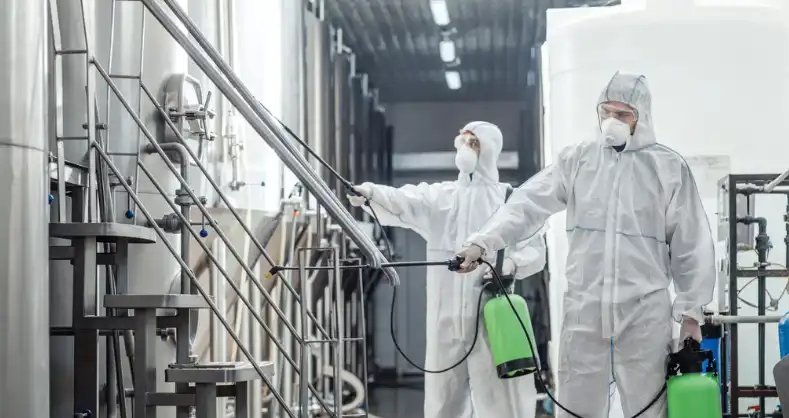
Understanding 1,3-Dichloro-5,5-dimethylhydantoin Powder: Chemical Properties and Functionality
DCDMH's chemical nature allows accurate disinfection under difficult working conditions. Understanding these qualities helps procurement teams determine whether this biocide meets their sanitisation and regulatory needs.
Molecular Composition and Stability Profile
DCDMH works because of its balanced molecular architecture. This chlorinated hydantoin derivative retains structural integrity under various storage settings due to its molecular weight of 197.02 g/mol and melting point of 130°C–134°C. Due to its poor water solubility—0.2 grams per 100 grams at 25°C—the powder dissolves slowly, maintaining a residual chlorine level needed for microbial control. Fast-acting oxidisers like sodium hypochlorite may cause chlorine spikes that harm equipment and product quality. This regulated release technique avoids them.
Chlorine Release Mechanism
HOCl, the main disinfectant, is released when 1,3-Dichloro-5,5-dimethylhydantoin powder dissolves in water. This chemical disrupts microbial respiration and enzymatic activities by penetrating cell membranes. The progressive release profile increases contact duration, improving biocidal efficacy in organic-loaded or pH-changing environments. This constancy lowers dosage changes and the possibility of under- or over-chlorination, which industrial operators enjoy.
Safety and Handling Characteristics
DCDMH is safer than gaseous chlorine or concentrated liquid bleach; however, all chlorinating chemicals must be handled carefully. The powder form avoids pressurised gas cylinder and corrosive liquid spill problems. Decomposition is prevented by storing in cool, dry places away from organic compounds and acids. Maintaining Loss on Drying below 1.0% keeps powder free-flowing and chemically stable. To avoid skin irritation and respiratory exposure during DCDMH dosage, workers should use gloves, safety goggles, and dust masks.
Why Choose 1,3-Dichloro-5,5-dimethylhydantoin Powder? Comparison with Other Chlorinating Agents
Compare performance, cost, safety, and operational complexity to choose the best chlorinating agent. DCDMH's unique properties make it ideal for industrial applications that need long-term disinfection.
Performance Against Alternative Biocides
Trichloroisocyanuric Acid produces 90% more chlorine than DCDMH but dissolves faster, which may cause chlorine overdose in poorly mixed systems. DCDMH's mild solubility helps reduce residual chlorine, decreasing equipment corrosion and stretching system lifespans. DCDMH outperforms Sodium Dichloroisocyanurate in alkaline conditions due to its pH stability. Lithium Hypochlorite is stable in dry form but costs more and has supply chain issues owing to global manufacturing capacity constraints.
Shelf Life and Storage Economics
One of DCDMH's biggest benefits is its long shelf life. 1,3-Dichloro-5,5-dimethylhydantoin powder stays potent for years in sealed containers. Even under optimal circumstances, liquid bleach loses 10-15% of its chlorine yearly. Large-scale sanitisation procurement departments benefit from this consistency via lower inventory costs, fewer emergency reorders, and more predictable budgeting.
Cost-Effectiveness in Bulk Operations
Volume DCDMH powder purchases are cost-effective. Due to its concentrated active component, the compound ships lighter and costs less than dilute liquids. Automated dosing systems save waste and maintain treatment levels. These variables reduce total cost of ownership, especially in continuous-operation facilities like municipal water treatment plants, aquaculture operations, and industrial cooling systems.
Practical Applications and Use Cases of DCDMH Powder in Sanitization
Multiple industries use DCDMH powder's unique qualities to overcome sanitisation problems while satisfying strict regulatory criteria.
Industrial Water Treatment Systems
In cooling towers and heat exchangers, microbial biofilms and algae development reduce heat transmission and hasten corrosion. Automatic feeders provide DCDMH to maintain baseline chlorine residuals that inhibit colonisation without pH changes from alkali-based treatments. This chemical outperforms elemental chlorine in generated water treatment in oil and gas operations due to its pH tolerance and ammonia resistance. The slow-release feature protects over long production cycles, minimising human intervention in distant sites.
Aquaculture and Agricultural Sanitization
Fish and prawn growers battle waterborne infections like Vibrio species that destroy stocks. Controlled application of 1,3-Dichloro-5,5-dimethylhydantoin powder decreases pathogen burdens without the harmful shock of quick oxidisers, safeguarding delicate aquatic species and water quality. DCDMH terminal disinfection of housing units between production cycles reduces germs and viruses that jeopardise animal health and food safety in poultry and livestock farms.
Food Processing and Pharmaceutical Manufacturing
Regulatory compliance in food and pharmaceutical manufacturing requires efficacious disinfection techniques. Clean-in-place systems can sanitise industrial equipment without residues because of DCDMH's stability and predictable chlorine release. Pharmaceutical firms use food-grade DCDMH formulations to maintain water systems and meet USP purified water standards without the metal contamination dangers of inorganic chlorinating chemicals.
Environmental Compliance and Sustainability
Sanitisation methods now prioritise effectiveness and environmental impact. Green chemistry principles support DCDMH's biodegradability and lower residual toxicity than persistent biocides. Concentration reduces packing waste and transportation emissions. DCDMH dosage generates fewer disinfection byproducts than chlorine gas, enabling water treatment plants to fulfil strict discharge standards and preserve public health.
Procurement Considerations for B2B Clients: Sourcing and Purchasing DCDMH Powder
Buying sanitisation chemicals is a balancing act between quality, dependability of supply and cost. Procurement professionals optimise purchases by knowing market trends and supplier capabilities.
Evaluating Supplier Credentials and Certifications
Manufacturers of 1,3-Dichloro-5,5-dimethylhydantoin powder with quality management systems you can trust. ISO9000 audits industrial processes and traceability. Suppliers with GMP certification provide pharmaceutical quality to regulated sectors. Procurement teams should review Supplier Certificates of Analysis, Material Safety Data Sheets, and regulatory compliance letters for regional chemical safety requirements.
Bulk Purchasing Dynamics and Pricing Structures
Industrial operations value customised packaging and bulk savings. Minimum orders are 1,000 kg, and price benefits go to multi-tons. Pharmaceutical-grade DCDMH is more costly than technical-grade because of constraints on purity. Price stabilisation in long-term supply agreements protects customers against market volatility and maintains supply during seasonal peaks of demand.
Logistics and Supply Chain Optimization
Good distribution networks decrease inventory costs and delays. Successful logistics partnerships allow suppliers to cross customs and complete UN 2465 paperwork for hazardous products. The facility handles custom packing such as 25-kilogram fibre drums and bulk totes. Lead time transparency enables procurement teams to optimise stock levels without tying up working capital in chemical inventory.
Building Strategic Supplier Relationships
Supplier relationships that go beyond transactional procurement to provide technical assistance and application expertise allow sanitisation initiatives to succeed. Veteran growers use water chemical analysis to estimate dosage, troubleshoot performance problems, and make operational adjustments. Collaboration lessens the operational dangers and helps in sanitisation issue solving.
Best Practices for Handling and Storage to Maximize DCDMH Powder Efficiency
Chlorine biocide control protects product integrity, worker safety, and performance over time.
Optimal Storage Conditions
Chemical stability is vital for environmental management. Dichloro-5,5-dimethylhydantoin powder 1,3 should be stored in a cool, dry place away from direct sunlight at a temperature between 15–25°C. Hydrolysis produces chlorine gas, which decreases the chlorine concentration, so the humidity must be managed. Ventilated storage facilities will eradicate trace chlorine vapours, while sealed containers will prevent moisture absorption. DCDMH should be kept away from acids, bases, reducing agents, and organic materials to avoid hazardous reactions.
Industrial Handling Protocols
Staff training on chemical risk and emergency response is the first step toward safety. Automation optimises the precision of the dosing and minimises direct participation. When handling manually, use chemical-resistant gloves, safety goggles with side shields, and NIOSH-approved particle respirators to avoid inhalation of dust. Use enclosed systems or progressive pouring to avoid dust clouds during transfer operations. Storage and handling locations should be equipped with sodium thiosulphate spill kits.
Regulatory Compliance and Documentation
Event response and regulatory compliance are supported by detailed documentation. All DCDMH employees require updated Safety Data Sheets. Inventory tracking systems must track batch numbers, receipt dates and use to ensure product trackability. Chlorinated sanitisers must be tagged and shipped under DOT, IMDG or IATA, as appropriate for travel. Staff are kept up to speed on safety and regulatory issues.
Conclusion
1,3-Dichloro-5,5-dimethylhydantoin powder offers attractive controlled-release efficacy, operational safety and economic advantage for sanitisation. Chemical stability, broad-spectrum antibacterial activity and automated dosing system compatibility meet water treatment, aquaculture and industrial hygiene needs. DCDMH provides longer shelf life, pH stability and ease of handling than other chlorinating chemicals, reducing operating expenses and meeting stringent disinfection criteria. A successful long-term sanitisation program in tough industrial settings requires strategic procurement from qualified vendors with solid quality systems to assure product performance and regulatory compliance.
FAQ
1. Is DCDMH powder safe for use in food-grade applications?
When sourced as food-grade quality meeting relevant regulatory specifications, 1,3-Dichloro-5,5-dimethylhydantoin powder can be used in food processing environments for equipment sanitization. Proper rinsing protocols ensure residual chlorine levels comply with food safety standards, making it suitable for clean-in-place systems and surface disinfection in production facilities.
2. How does DCDMH's solubility affect dosing strategies?
The low solubility of approximately 0.2g per 100g water creates a sustained-release effect ideal for maintaining consistent residual chlorine in water systems. This characteristic requires understanding that immediate high-concentration solutions need agitation, while slow-release applications benefit from dispensers that gradually introduce powder into the water stream, providing continuous protection.
3. What price advantages exist for bulk DCDMH purchases?
Volume procurement significantly reduces per-kilogram costs, with multi-ton orders often achieving 15-25% discounts compared to small-quantity pricing. Additional savings come from reduced shipping frequency, optimized inventory turnover, and supplier willingness to customize packaging and delivery schedules for large committed volumes, making bulk purchasing economically advantageous for operations with consistent sanitization needs.
Partner with Taicheng for Reliable 1,3-Dichloro-5,5-dimethylhydantoin Powder Supply
Xi'an Taicheng Chemical stands ready to support your sanitization requirements as a trusted manufacturer and supplier of high-purity DCDMH powder. Our ISO9000-certified quality systems and strategic partnerships with GMP-compliant factories ensure every batch meets stringent specifications, delivering the consistent performance your operations demand. We understand that successful sanitization programs depend on reliable supply chains, competitive pricing, and responsive technical support. Our team provides comprehensive assistance from initial product selection through ongoing application optimization, backed by complete documentation including Certificates of Analysis and Material Safety Data Sheets. Whether your needs involve industrial water treatment, aquaculture disinfection, or pharmaceutical-grade applications, our flexible packaging options and efficient logistics networks deliver 1,3-Dichloro-5,5-dimethylhydantoin powder where and when you need it. Connect with our procurement specialists at sales@tcc-ofc.com to discuss your specific requirements, request product samples, or obtain customized quotations that address your volume, quality, and delivery specifications.
References
1. White, G.C. (1999). Handbook of Chlorination and Alternative Disinfectants. Fourth Edition. John Wiley & Sons, New York.
2. Environmental Protection Agency (2020). Alternative Disinfectants and Oxidants Guidance Manual. Office of Water, Washington, D.C.
3. Dychdala, G.R. (2001). Chlorine and Chlorine Compounds. In Disinfection, Sterilization, and Preservation, Fifth Edition. Lippincott Williams & Wilkins, Philadelphia.
4. American Water Works Association (2018). Water Quality and Treatment: A Handbook on Drinking Water. Sixth Edition. McGraw-Hill Education.
5. Worley, S.D. and Williams, J.F. (1988). Halamine Water Disinfectants. Critical Reviews in Environmental Control, Volume 18, Issue 2.
6. International Maritime Organization (2019). Guidelines for Approval of Ballast Water Management Systems Using Active Substances. Marine Environment Protection Committee, London.
_1740537008127.webp)

Learn about our latest products and discounts through SMS or email