- English
- French
- German
- Portuguese
- Spanish
- Russian
- Japanese
- Korean
- Arabic
- Greek
- German
- Turkish
- Italian
- Danish
- Romanian
- Indonesian
- Czech
- Afrikaans
- Swedish
- Polish
- Basque
- Catalan
- Esperanto
- Hindi
- Lao
- Albanian
- Amharic
- Armenian
- Azerbaijani
- Belarusian
- Bengali
- Bosnian
- Bulgarian
- Cebuano
- Chichewa
- Corsican
- Croatian
- Dutch
- Estonian
- Filipino
- Finnish
- Frisian
- Galician
- Georgian
- Gujarati
- Haitian
- Hausa
- Hawaiian
- Hebrew
- Hmong
- Hungarian
- Icelandic
- Igbo
- Javanese
- Kannada
- Kazakh
- Khmer
- Kurdish
- Kyrgyz
- Latin
- Latvian
- Lithuanian
- Luxembou..
- Macedonian
- Malagasy
- Malay
- Malayalam
- Maltese
- Maori
- Marathi
- Mongolian
- Burmese
- Nepali
- Norwegian
- Pashto
- Persian
- Punjabi
- Serbian
- Sesotho
- Sinhala
- Slovak
- Slovenian
- Somali
- Samoan
- Scots Gaelic
- Shona
- Sindhi
- Sundanese
- Swahili
- Tajik
- Tamil
- Telugu
- Thai
- Ukrainian
- Urdu
- Uzbek
- Vietnamese
- Welsh
- Xhosa
- Yiddish
- Yoruba
- Zulu
Why Choose High-Purity Trimanganese Tetraoxide for Industrial Use?
High-purity Mn₃O₄ enhances operating efficiency in demanding industrial areas. Trimanganese tetraoxide, purity checked over 99%, offers better performance stability for electromagnetic components, energy storage systems, and precision ceramics. Standard-grade alternatives do not remove trace pollutants that impact magnetic permeability in soft ferrites and cycle life in lithium-ion batteries, unlike premium hausmanite. Procurement teams gain tangible benefits such as decreased production failures, improved equipment longevity, and adherence to rigorous regulatory standards for electronic materials and energy applications by emphasising verified high-purity grades.

Understanding Trimanganese Tetraoxide: Chemical and Physical Properties
Core Chemical Structure and Composition
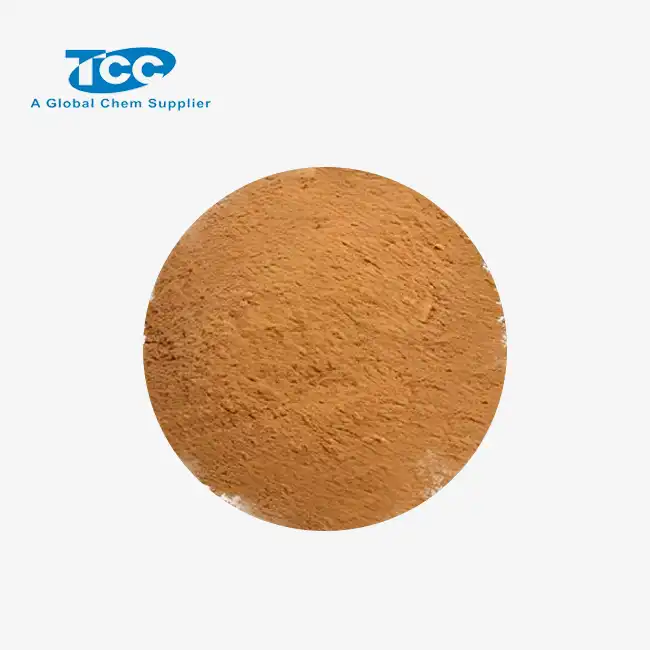
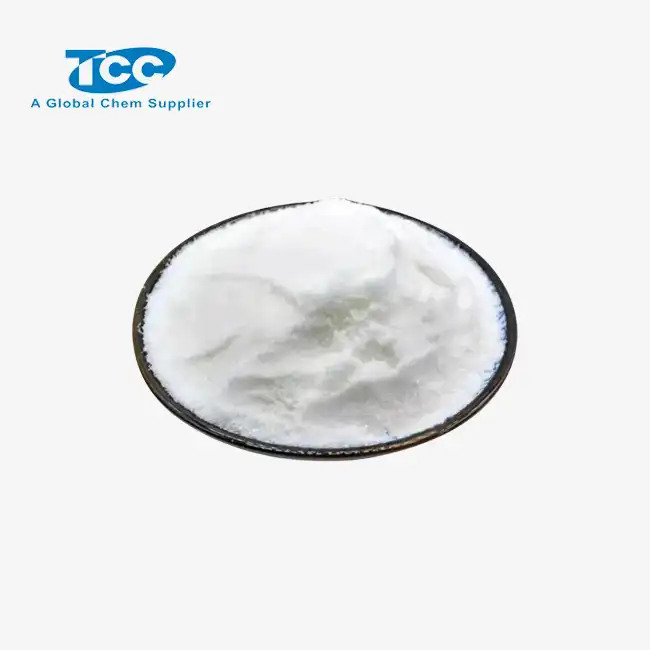
Trimanganese tetraoxide is characterised by a spinel crystal structure with mixed valence states of Mn(II) and Mn(III). The molecular formula is Mn 3 O 4, CAS number 1317-35-7. This structure is called hausmannite, and it leads to some interesting electrochemical features you will ’ t get with simpler manganese compounds. The dark powder material has a theoretical density of 4.86 g/cm 3 and can tolerate temperatures up to 1,567°C without any structural deterioration. These intrinsic properties make the compound a reliable functional material in a highly stressed thermal environment, such as that seen in industrial sintering operations and energy conversion systems.
Industrial-Grade Physical Parameters
Material performance is defined by quantifiable factors in professional-grade standards. Depending on the desired application, the specific surface area (BET) generally varies from 2.0 to 15.0 m2/g, and tighter control will provide constant reactivity in solid-state processes. The particle size distribution assessed by laser diffraction techniques is targeted at D50 values of 1-5 microns to optimise dispersion in the production processes. The stoichiometric accuracy is ensured by the total manganese content of over 71.8%, while impurity limits of less than 50 ppm of iron, silicon and calcium prevent performance loss in sensitive electromagnetic and electrochemical applications.
Safety Protocols and Handling Requirements
Trimanganese tetraoxide is stable when stored under normal circumstances; however, fine powder forms are hygroscopic and must be packaged in moisture barrier containers. Material Safety Data Sheets provide information on standards for required ventilation and personal protection equipment for persons working with bulk volumes. It is an oxidising agent and must be stored apart from combustibles. Recognising these safety factors helps facilities to establish appropriate risk mitigation measures and maintain compliance with occupational health requirements pertaining to transition metal oxide handling.
Advantages of High-Purity Trimanganese Tetraoxide Over Other Manganese Oxides
Superior Performance in Critical Applications
High-purity hausmannite is preferred over manganese dioxide and manganous oxide in situations where tight stoichiometric control is required. The unusual mixed-valence structure of the material offers superior catalytic activity in oxidation processes and greater tap density values surpassing 2.0 g/cm3 for battery electrode manufacturing. These physical benefits immediately lead to volumetric energy density gains in lithium manganese oxide cathodes meeting the industry’s ever-present desire for small, high-capacity energy storage. The detailed crystal structure also permits finer control of magnetic domain development in the production of ferrites, minimising the hysteresis loss that decreases power conversion efficiency.
Grades are devoid of performance-limiting contaminants found in normal materials. Trace iron presence serves as magnetic domain pinning sites, which dramatically reduces the initial permeability in soft ferrites for switching power supply. Silicon impurities cause aberrant grain formation during ceramic firing, generating mechanically weak spots and dimensional irregularities. The high purity of the Trimanganese tetraoxide assures that results are predictable and consistent from batch to batch.
Long-Term Economic Value Analysis
Up-front expenditure on certified high-purity grades results in significant lifespan cost savings. Manufacturing operations using premium hausmannite show a 15-30% reduction in rejected components owing to better material uniformity. LiMn2O4 and NMC cathodes are seen by battery makers as having long cycle life, which translates into better product warranties and lower warranty claim costs. Ferrite makers obtain narrower distributions of magnetic properties, enabling better component design and more efficient use of material. The combined advantages of these balance the increased raw material costs after 18-24 months of adoption, making high-purity trimanganese tetraoxide the economically sensible choice for quality-driven organisations.
Industrial Applications of High-Purity Trimanganese Tetraoxide
Advanced Battery Technologies
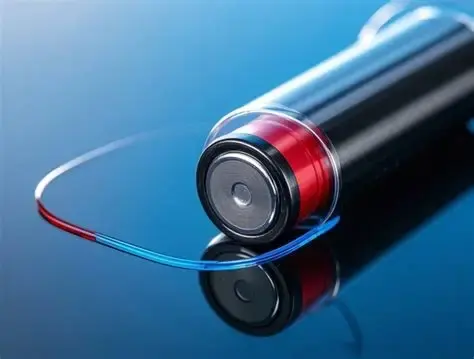
High-purity hausmannite precursors are critical for lithium-ion energy storage devices based on manganese-based cathode materials. The chemical is the major source of manganese for the synthesis of spinel structures of Lithium Manganese Oxide (LiMn₂O₄) and ternary compositions of Lithium Nickel Manganese Cobalt Oxide (NMC). The high tap density of this material allows a high packing density of the electrodes, which is critical to reach competitive energy densities for battery modules in electric vehicles exposed to demanding charge-discharge cycles. Automotive OEMs need Trimanganese tetraoxide grades with stringent impurity limits to provide the thermal stability and capacity retention needed for transportation applications with 2,000+ cycle lifetimes.
Electromagnetic Component Manufacturing
Modern electronic devices use soft magnetic ferrites that need regulated hausmannite feedstocks. Raw materials with small particle size distributions and low contamination are required for Mn-Zn ferrite cores used in switching power supply transformers, EMI suppression filters, and wireless charging coils. The spinel structure of trimanganese tetraoxide has a role in determining the initial permeability and core loss properties of the final ferrite, which are important factors for energy efficiency in data center power distribution systems and EV charging infrastructure. The constancy of the material allows ferrite producers to keep the magnetic characteristics within tight tolerances throughout manufacturing quantities of thousands of tonnes per year.
Precision Temperature Sensing Devices
Negative Temperature Coefficient (NTC) thermistors use the well-defined oxidation state transitions in hausmannite to provide accurate electrical resistance variations with temperature changes. Automotive Thermal Management Systems, HVAC Controllers, and Medical Diagnostic Equipment use Trimanganese tetraoxide of high purity in NTC Sensors. The constant stoichiometry of the material permits the reproducibility of the resistance-temperature curves that fulfil the calibration criteria necessary for safety-critical applications. Manufacturers selling into these markets need detailed Certificates of Analysis specifying purity standards and trace element concentrations to ensure product dependability and regulatory compliance.
Specialty Glass and Optical Materials
Optical glass producers use Hausmannite as a decolorising chemical to compensate for colour deficiencies due to iron. The compound's high oxidising abilities transform ferrous iron impurities into ferric states that result in less apparent colouration, improving the clarity of glass for lenses and display panels. The use of Trimanganese tetraoxide in glass pigment compositions leads to persistent brown colourations robust against UV exposure and thermal stress. These are speciality market sectors; however, these speciality uses appreciate the constant performance of the substance and the documentation of purity that is confirmed to guarantee repeatability from batch to batch.
Procurement Considerations: How to Source High-Purity Trimanganese Tetraoxide
Supplier Qualification Criteria
Finding dependable hausmannite sources involves multidimensional examination. ISO 9000 certification shows quality management system application, but sophisticated purchasers should check industry-specific standards like HG/T 4824 for electronic-grade manganese oxides. Production capacity evaluation helps providers scale with battery and electronics manufacturing cycle demand changes. Ask for evidence of analytical capabilities, such as ICP-OES for trace element analysis and BET for surface area characterisation, to establish the supplier's quality control infrastructure.
Xi'an TaiCheng Chem Co., Ltd. collaborates with GMP-certified production facilities with modern synthesis and purification methods. From raw material acceptance testing to final product certification, our quality assurance methods ensure every shipment meets requirements. Risk-conscious procurement professionals respect the company's A-level taxpayer certification and six administrative licenses for operational transparency and regulatory compliance.
Technical Specification Verification
Critical parameter acceptance criteria should go beyond purity percentages in procurement requirements. Typically, a manganese level of ≥71.8% indicates stoichiometric composition. Sodium, potassium, calcium, iron, and silicon impurity levels must be application-sensitive. Battery-grade materials need stricter iron restrictions (<30 ppm) than ceramics, whereas ferrite makers prioritise silicon limits. Certificates of Analysis with batch-specific test findings verify and track incoming materials throughout manufacturing.
Specified particle size distribution must match downstream processes. Ball milling for ferrite manufacture allows wider distributions, whereas direct electrode coating requires tighter D50 limits. Surface area objectives vary by sintering profile, with reactive grades (BET 8-15 m²/g) fitting lower-temperature processes and coarse grades (BET 2-5 m²/g) limiting shrinkage in high-temperature kilns.
Global Logistics and Supply Chain Reliability
Logistics for international Trimanganese tetraoxide purchase needs skilled supply chain management. Material packaging uses multilayer moisture barrier bags in fibre drums or supersacks to prevent ocean moisture penetration. Shipping paperwork should contain destination country-compliant Safety Data Sheets, certificates of origin, and commercial invoices with HS codes for customs clearance. Regional distribution agreements and Taicheng's logistics network across Europe, Africa, and the Americas assure prompt delivery and lower freight costs.
Lead time management is crucial in battery manufacture amid demand spikes. Framework agreements with volume commitments and planned deliveries defend against spot market price volatility and ensure supply continuity. Strategic suppliers provide application engineering consultancy and troubleshooting help, especially when integrating new material grades into manufacturing processes.
Making the Right Choice: Why High-Purity Trimanganese Tetraoxide Is the Preferred Industrial Solution
Clarifying Common Misconceptions
Industry newcomers sometimes assume all manganese oxide grades offer interchangeable performance, a costly misunderstanding. Electrolytic manganese dioxide serves primary battery applications but lacks the structural stability required for rechargeable systems where Trimanganese tetraoxide excels. Lower-purity hausmannite grades may meet commodity pricing expectations but introduce unacceptable variability in precision applications. Procurement decisions favoring lowest unit costs often generate hidden expenses through increased scrap rates, rework cycles, and customer quality complaints exceeding initial material savings.
Another misconception suggests particle size alone determines performance, overlooking the critical importance of chemical purity. Ultra-fine particles with high contamination levels deliver inferior results compared to properly sized, high-purity materials. Successful implementation requires balanced specifications addressing both physical and chemical parameters, tailored to specific manufacturing processes and end-product requirements.
Regulatory Compliance and Certification Advantages
Tightening environmental and safety regulations elevate the importance of certified material sourcing. High-purity Trimanganese tetraoxide suppliers providing comprehensive documentation—including RoHS compliance statements, REACH registration details, and conflict minerals declarations—streamline customer compliance programs.
Future Technology Trends and Material Innovation
Emerging applications continue expanding hausmannite utilization beyond traditional sectors. Researchers explore nanostructured Trimanganese tetraoxide for supercapacitor electrodes and advanced water treatment catalysts, leveraging the material's redox chemistry and surface reactivity. Hybrid battery chemistries combining manganese oxides with novel electrode architectures promise enhanced performance metrics, attracting significant R&D investment. These innovations create opportunities for forward-thinking manufacturers establishing supply relationships with technically sophisticated material suppliers capable of supporting next-generation product development initiatives.
Conclusion
High-purity hausmannite represents a strategic procurement decision delivering measurable performance advantages across battery, electronics, and specialty materials sectors. The compound's unique spinel structure of Trimanganese tetraoxide, combined with rigorous purity control, enables manufacturers to achieve superior product reliability, extended operational lifespans, and regulatory compliance. Successful implementation requires careful supplier selection emphasizing certified quality systems, comprehensive technical support, and demonstrated supply chain reliability. Organizations prioritizing these factors position themselves competitively in markets increasingly demanding material consistency and documented traceability throughout global supply networks.
FAQ
1. How does high-purity hausmannite differ from electrolytic manganese dioxide in rechargeable battery production?
Electrolytic manganese dioxide functions effectively in primary (non-rechargeable) battery chemistries but lacks structural stability during repeated charge-discharge cycles. Trimanganese tetraoxide serves as the preferred precursor for secondary battery cathode materials including LiMn₂O₄ and NMC compositions. Its spinel crystal structure withstands electrochemical cycling stresses while delivering higher tap densities essential for compact electrode designs. Battery manufacturers achieving 2,000+ cycle lifetimes rely exclusively on hausmannite-derived cathode materials meeting strict purity specifications.
2. What specific surface area range should procurement teams specify for ferrite manufacturing applications?
BET surface area requirements depend on sintering temperature profiles and desired ferrite microstructures. Reactive grades exhibiting 8-15 m²/g surface areas suit lower-temperature processes where enhanced reactivity accelerates solid-state reactions and promotes densification. Coarse grades with 2-5 m²/g values prevent excessive shrinkage and warping during high-temperature firing cycles. Specifying inappropriate BET ranges causes incomplete reactions or dimensional instabilities, emphasizing the need for application-specific material selection guidance from experienced suppliers.
3. Can contaminated material be salvaged through secondary purification processes?
Attempting to purify substandard hausmannite grades proves economically impractical compared to sourcing certified high-purity material initially. Removing metallic impurities embedded within spinel crystal structures requires aggressive chemical treatments that alter particle morphology and surface characteristics. These modifications compromise material performance in precision applications, negating purification efforts. Procurement strategies should prioritize qualified suppliers with demonstrated analytical capabilities rather than attempting remediation of non-conforming materials.
Partner with Taicheng for Reliable Trimanganese Tetraoxide Supply
Taicheng delivers certified high-purity hausmannite backed by ISO 9000 quality systems and strategic manufacturing partnerships throughout China's advanced materials sector. Our technical team provides application-specific guidance, helping customers optimize material specifications for ferrite production, battery manufacturing, and specialty chemical processes. We maintain comprehensive inventory supporting just-in-time delivery requirements while offering flexible packaging options accommodating operations ranging from pilot-scale trials to multi-ton production volumes.
Customers benefit from our established global logistics network ensuring reliable delivery across North America, Europe, and emerging markets. Each Trimanganese tetraoxide shipment includes complete documentation—Certificates of Analysis, Material Safety Data Sheets, and compliance declarations—streamlining receiving inspections and regulatory filings. Our responsive technical support team addresses formulation questions, troubleshoots processing challenges, and collaborates on new application development initiatives.
Contact our procurement specialists at sales@tcc-ofc.com to discuss your hausmannite requirements and receive customized quotations. Whether you need electronic-grade material for precision ferrites or battery-grade specifications for energy storage applications, Taicheng serves as your trusted Trimanganese tetraoxide supplier committed to quality, consistency, and partnership-driven service.
References
1. Chen, Wei and Liu, Jinhua. "Spinel Manganese Oxides in Lithium-Ion Battery Cathode Materials: Synthesis, Structure, and Performance." Journal of Materials Chemistry A, vol. 8, no. 15, 2020, pp. 7215-7238.
2. Goldman, Alex. Modern Ferrite Technology, 2nd ed., Springer Science+Business Media, 2006.
3. Rao, C.N.R. and Raveau, Bernard. Transition Metal Oxides: Structure, Properties, and Synthesis of Ceramic Oxides, 2nd ed., Wiley-VCH, 1998.
4. International Organization for Standardization. ISO 9001:2015 Quality Management Systems – Requirements, ISO Publications, 2015.
5. Thackeray, Michael M. "Manganese Oxides for Lithium Batteries." Progress in Solid State Chemistry, vol. 25, no. 1-2, 1997, pp. 1-71.
6. Zhang, Yunlong et al. "Hausmannite (Mn₃O₄) Nanomaterials: Synthesis, Properties and Applications." RSC Advances, vol. 5, no. 42, 2015, pp. 33259-33282.
Learn about our latest products and discounts through SMS or email